
Shiny or Sticky Leather Seats? Cleaning vs. Conditioning
If your leather seats feel sticky or look unusually shiny, more conditioner may not solve it. The surface may need cleaning, old product may have built up, or the finish may have worn. First work out the material and the cause.
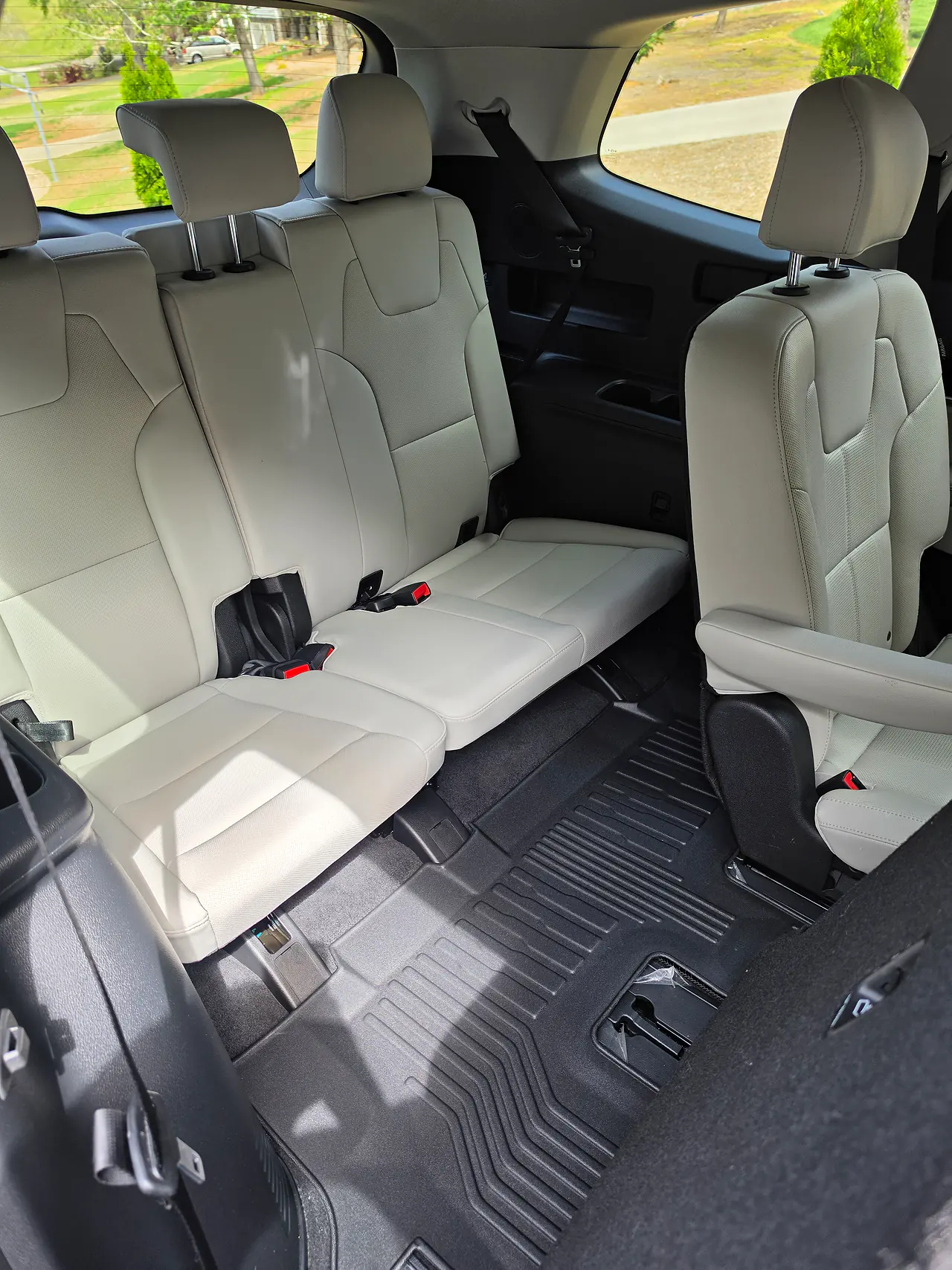

Cleaning removes surface soil and residue. Conditioning or protecting is a separate care step chosen for the material. Neither repairs cracked upholstery, replaces worn color or restores a damaged finish on its own.
Is it leather, synthetic, or a mix?
Looks and marketing names aren’t enough to tell. Many cars combine materials: leather on the seating surfaces with synthetic sides and backs, for example, or a synthetic leather sold under a brand name. “Vegan leather” is a synthetic material, not a kind of genuine leather. Your owner’s manual or the manufacturer’s care guidance is the best source, and it decides which products are suitable: one conditioner isn’t right for every surface.
Why shine doesn’t automatically mean healthy leather
Most modern automotive leather has a protective coating on top, and much of it is made with a matte or satin look. When a seat that started out satin turns shiny, the usual causes are body oils and grime on the surface, built-up dressing or conditioner, or wear polishing the finish smooth in the places you sit and slide. Some leathers are meant to be glossier, so the goal is the seat’s original look, not matte for its own sake.
Cleaning, conditioning and repair
| Service | Purpose | Limit |
|---|---|---|
| Cleaning | Removes surface soil, oils and old product residue | Doesn’t replace worn color or repair torn material |
| Conditioning and protection | Maintains the material with a product suited to its finish | Doesn’t remove dirt by covering it up |
| Repair and restoration | Addresses cracks, tears, worn color or a damaged finish | Specialist work, not part of a detail |
Cleaning and conditioning aren’t either-or choices. They work in order: clean first so the conditioner goes onto the material, not onto dirt.
A careful look before any product goes on
- Identify the material, and note existing wear, cracks or color loss.
- Choose a cleaner and conditioner suited to that finish.
- Test where the product directions call for it.
- Work with controlled moisture, never soaking the seat.
- Wipe off residue and check the result in good light.
What to avoid at home: abrasive household sponges and scrub pads, hard scrubbing, all-purpose steam methods, and anything that saturates the seat.
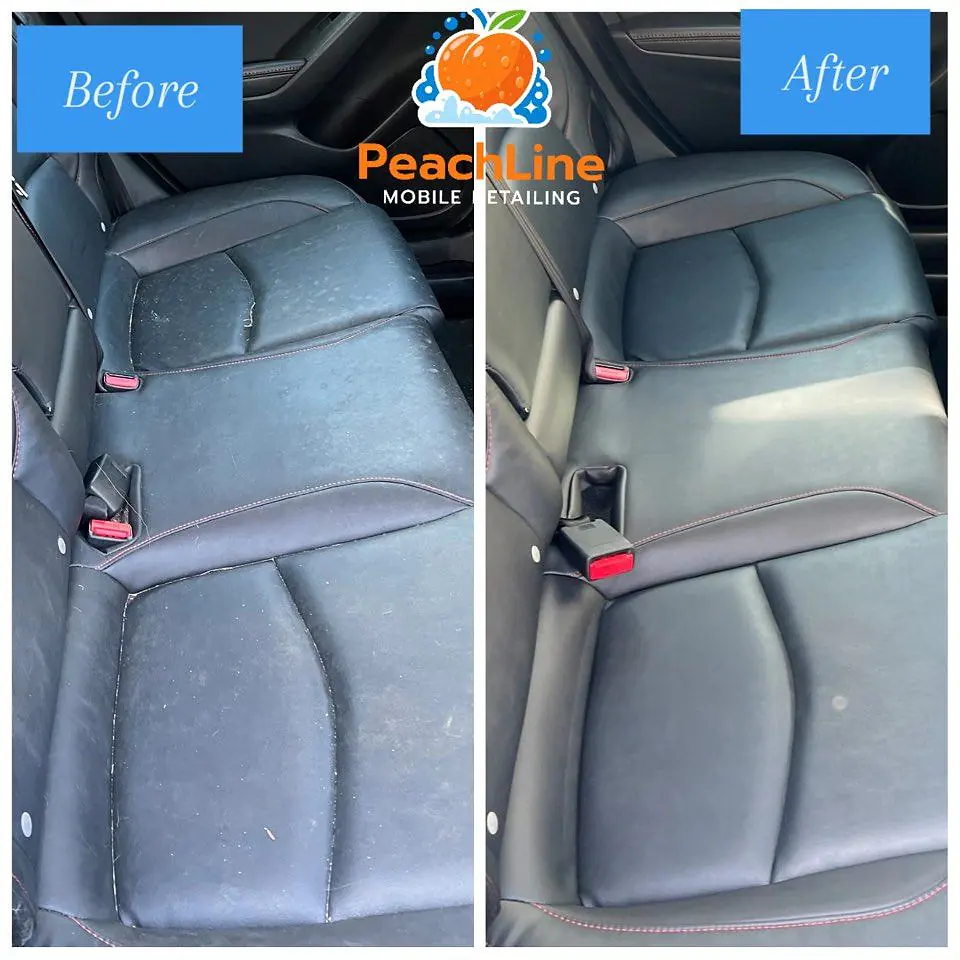
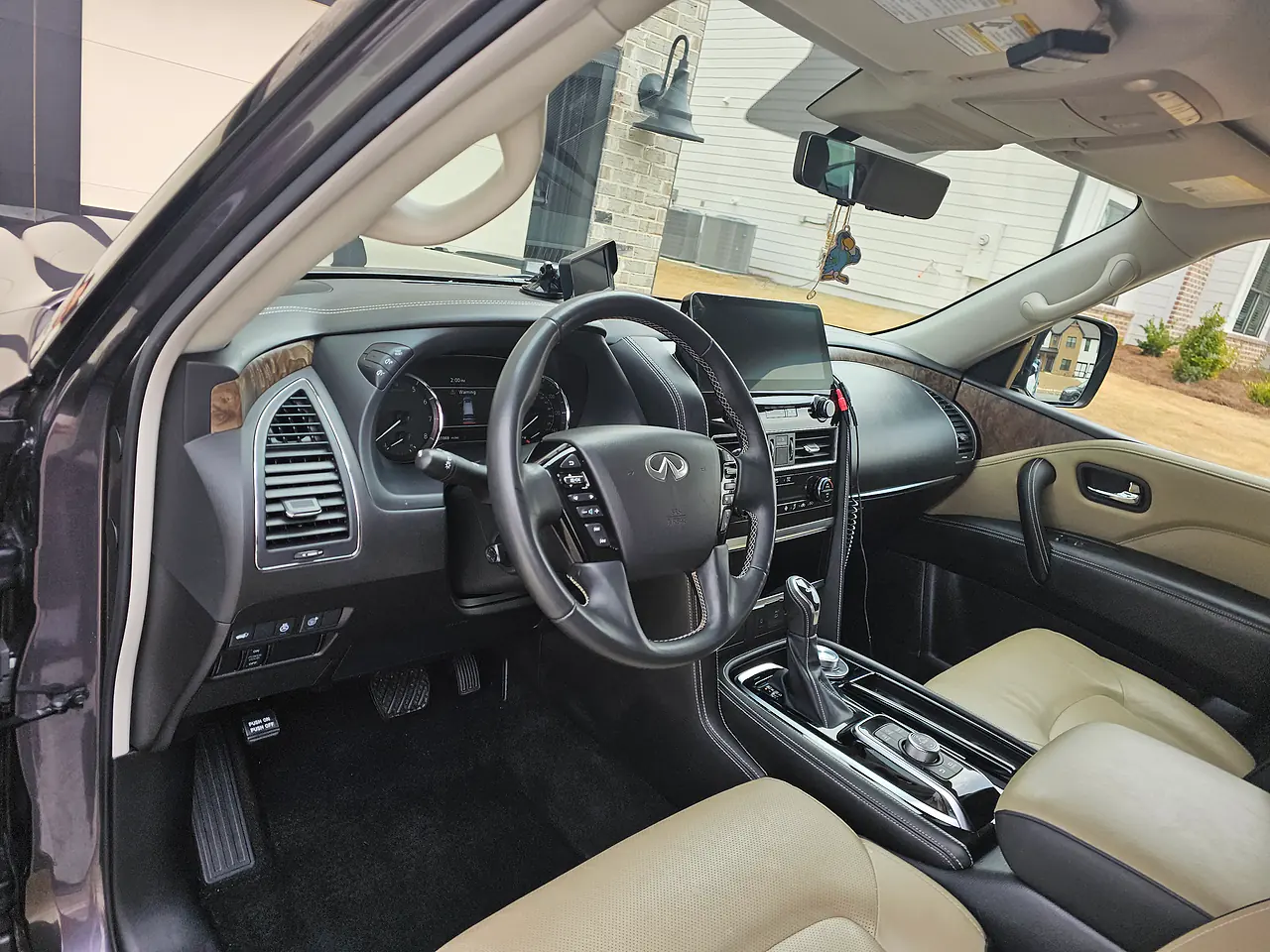
Perforated, heated and ventilated seats
Perforated seats, including most heated and ventilated ones, have small holes that can trap liquid and product. Use cleaner and conditioner sparingly, applied to the cloth rather than the seat, and don’t work conditioner into the holes. These seats aren’t shampooed or extracted like fabric. If something was spilled into a perforated seat, read what detailing can reach after a spill.
What a good result looks like
A good result looks like the leather’s original finish: even color, no greasy shine, clean grain and seams, and a surface that feels dry and supple rather than slick. A high-gloss, slippery finish isn’t a sign of success, and dressing should never go on pedals, the steering wheel or other controls where it would affect grip. Cleaning can’t undo cracks or worn color; we’ll point those out rather than hide them.
How it works in our packages
Leather conditioning is included in every Premium package for suitable leather surfaces: Premium Interior Only, Premium Detail and the Executive Detail, which builds on Premium. You don’t need to add a separate leather-conditioning add-on to a Premium package.
Our Essentials packages clean leather seats but don’t condition them; leather conditioning is an add-on there. We match the care to the material and its condition. Tears, worn color or finish damage are a different question from routine cleaning and conditioning, and they are outside detailing.
Between appointments
- Wipe up fresh spills promptly, following the vehicle’s care instructions.
- Don’t pile on products: more conditioner isn’t more protection.
- Look at the high-contact areas (the driver’s side bolster, the seat edge you slide over) for early wear.
There’s no universal conditioning interval; how often depends on the leather, the climate and how the car is used. For a year-round plan, see how often to detail your car, and for what a full detail covers, mobile detailing.
Frequently asked questions
Does leather need to look shiny after cleaning?
Not necessarily. The right look depends on the original finish. Added shine isn’t proof of cleanliness or of successful conditioning.
Can conditioner fix cracked leather?
No. Routine conditioner isn’t a repair for cracks, tears or missing color. Those may need a specialist.
Should synthetic seats get leather conditioner?
Use the vehicle maker’s care guidance and a product suited to the actual material. The word “leather” on a product isn’t enough to establish it is compatible.
Is conditioning extra with a Premium package?
No. Leather conditioning is included in our Premium packages for suitable leather, so you don’t need the add-on.
Premium packages, leather conditioning included
Prices start here and depend on your vehicle. The store shows the exact total before you pay.
Premium Interior Only
Carpets and cloth seats shampooed with hot-water extraction; leather conditioned.
About 3 hours
From $249.99
Choose packagePremium Detail
A deep clean inside and out, with carpet and seat shampoo and clay paint decontamination.
- Everything in Essentials, plus
- Leather conditioning treatment
- Shampoo and stain-treat carpets and fabric seats
- Clay paint decontamination
About 3 hours
From $279.99
Choose package
Ready when you are.
Not listed? Enter your address when you book and the store confirms it, including any travel fee or area minimum, before you pay.