
Water Spots on Car Paint: Mineral Deposits or Etching?
Not every water spot is the same problem. Some marks are deposits sitting on the surface. Others are etched into the finish. Both can look like rings or cloudy patches, and looks alone may not tell you which treatment fits.
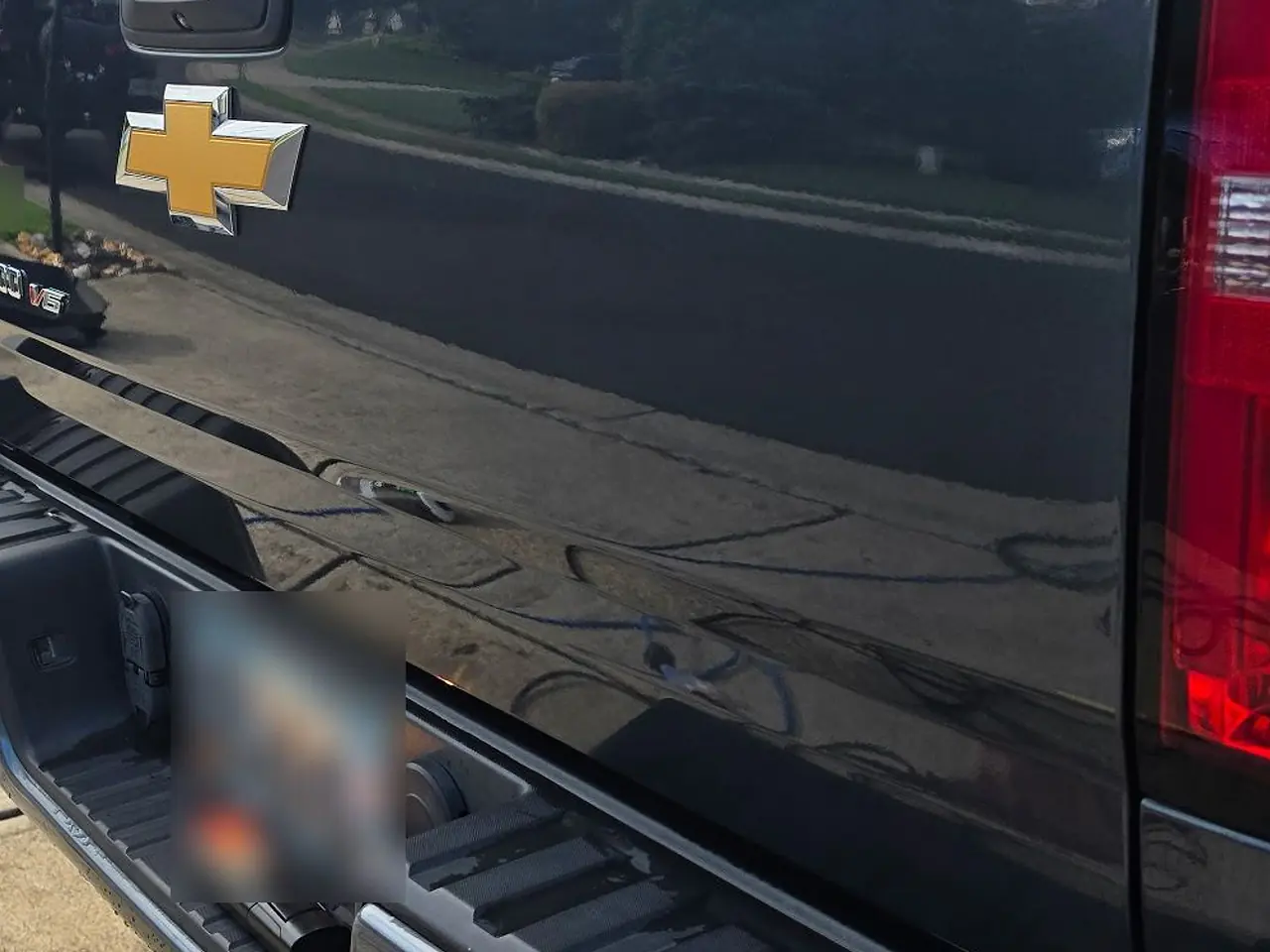
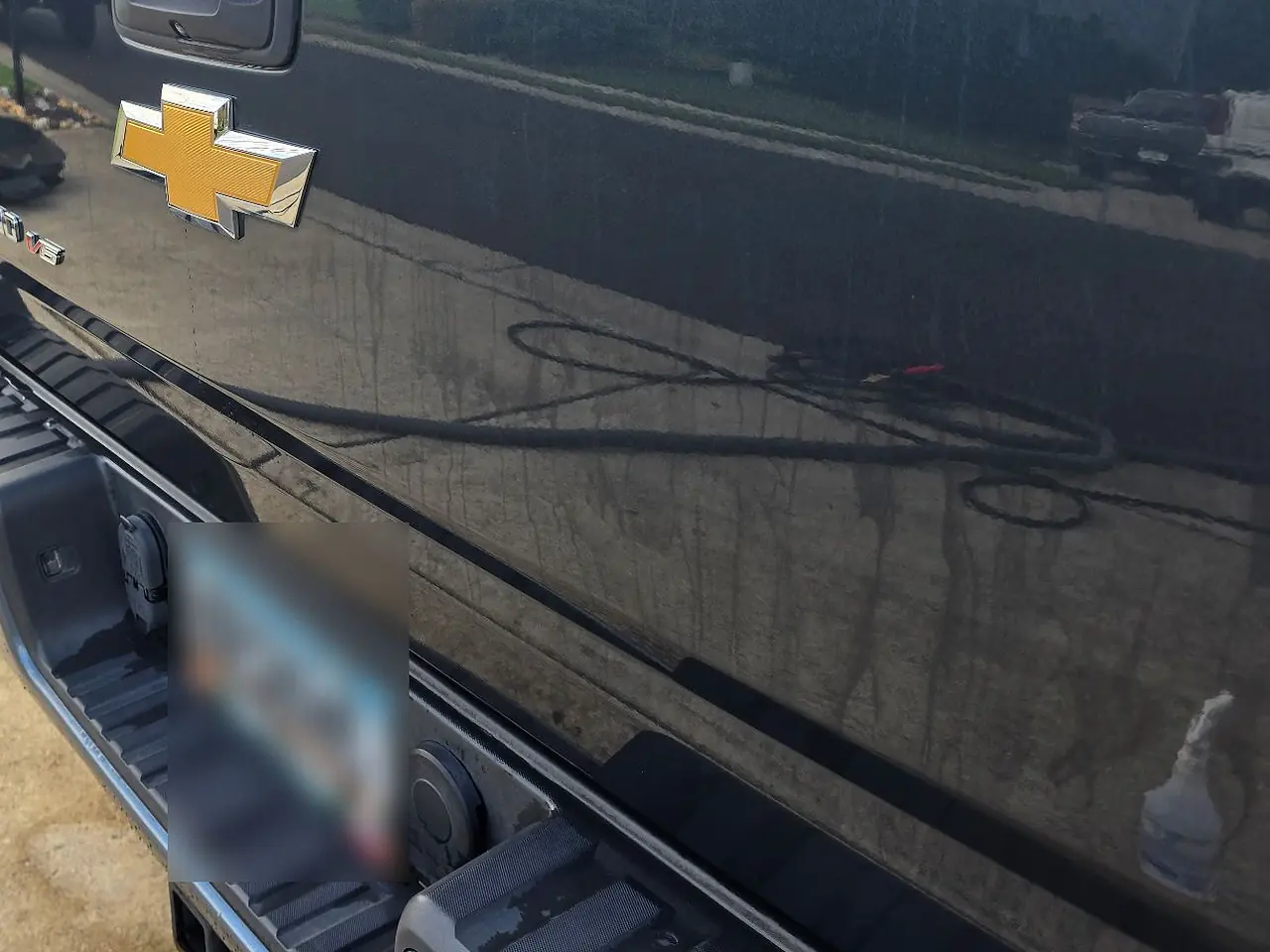

That is why scrubbing harder, or jumping straight to polishing, can be the wrong next step. A careful assessment starts with the surface, the likely source of the marks, and the least aggressive treatment that works.
What happens when water dries on paint?
Water carries dissolved minerals and whatever it picked up on the way: from a sprinkler, a hose, a car wash, or dust in the air when it rains. When a drop evaporates, the water leaves and the residue stays behind as a ring or spot.
At first that residue sits on top of the paint. Left long enough, especially when a dark panel heats up in the sun, some deposits can bond to the surface or etch into the clear coat. The source matters, so it helps to think back: was the car near a sprinkler, washed in direct sun, or left to dry on its own after a rinse?
Surface deposit or etched mark?
| What you see | Possible explanation | Sensible next step |
|---|---|---|
| The mark changes after a careful wash | Loose surface contamination is part of it | Reinspect the panel clean and dry |
| A ring remains after washing | Bonded residue, etching, or both | A compatible spot test and a professional look |
| Haze or a ring remains after the residue is removed | Damage to the finish may remain | Decide whether polishing is suitable, and its limits |
These are clues. A photo or a description can’t settle it, and neither can scraping at the paint. Please don’t use a blade, an abrasive pad or a household acid to “test” a spot.
A sensible professional treatment order
- Wash and inspect the panel, clean and dry, in good light.
- Test a compatible residue remover on the affected area. Products made for mineral deposits can dissolve residue that washing leaves behind.
- Reassess. If the mark is gone, it was a deposit. If a shape remains, it may be etched.
- Polish only if appropriate. Etching is a change in the surface, so only levelling the surface can improve it, and only as far as the finish allows.
- Restore protection and explain the care that will help keep it from coming back.
A mineral remover can dissolve deposits, but it can’t put back clear coat that is already etched, and some of these products can strip waxes or affect other finishes. That’s why product directions and surface compatibility come first. Matte paint, wraps, paint protection film and coated surfaces each need their own approach. You won’t find vinegar recipes or dwell times here: what is safe depends on the product and the surface.
When one-step correction might help
When the residue is gone and an etched outline remains, polishing may improve it: one-step correction levels a very thin layer of clear coat. Light etching often responds well. Deeper etching may only soften, and some is not worth chasing at the cost of the clear coat around it. Our one-step paint correction guide explains the process and its limits. A standard wash or detail doesn’t include water-spot removal by default.
Coated and waxed cars can still spot
Protection makes paint easier to clean and can make deposits easier to remove, but it doesn’t stop water from drying on the car. A waxed or coated car left under a sprinkler will still collect spots. Follow your protection’s care directions and deal with the source of repeated spotting. Water behaving differently on the paint doesn’t, by itself, mean the protection has failed. For the difference between protection types, see ceramic wax vs. ceramic coating.
Glass spots are a related but separate problem. Our Exterior Protection Package includes polishing the exterior glass and a glass coating rated for up to a year of water repellency.
Prevention without promising perfection
- Dry the car after washing rather than letting water evaporate on the paint. We air-blow and towel-dry with soft microfiber at every detail.
- Wash in a cool, shaded spot so water and soap don’t dry before they are rinsed and dried.
- Keep the car out of sprinkler range when you can, or adjust the sprinkler.
- Deal with fresh spots promptly, before heat and time make them harder to remove.
Our washing guide covers the wash and dry method in full. Even with good habits, some spotting will happen to a car that lives outdoors; the aim is to keep it from building up.
Ask us about the marks on your paint
Not sure what you are looking at? Text us or call us and describe the marks, where the car is parked and how long they have been there. We’ll tell you honestly whether a detail is the right next step. To compare exterior services, see our wash and wax and the exterior packages in the store.
Frequently asked questions
Will a normal wash remove water spots?
It can remove loose contamination, but persistent deposits or etching may need a different approach. A spot that remains after washing doesn’t by itself tell you which treatment is right.
Does clay remove water spots?
Clay and mineral-removal products do different jobs. Clay is not a universal treatment for deposits or etched marks. More on clay in why paint still feels rough after a wash.
Can polishing remove etched water spots?
It may improve them, depending on how deep they are and on the finish. Some damage can’t be fully corrected responsibly.
Why does my protected car still have spots?
Protection doesn’t prevent every deposit from drying on the car. Follow its maintenance instructions and address the source of repeated spotting.
Ready when you are.
Not listed? Enter your address when you book and the store confirms it, including any travel fee or area minimum, before you pay.